Passive Fire Protection Systems

Passive fire protection is built into the fabric of a building to contain a fire, protect the structure and keep escape routes clear, all without needing to be switched on or triggered. Where active systems detect and fight fire, passive measures work quietly in the background, dividing a building into fire-resisting compartments that slow the spread of fire and smoke and buy time for people to get out. MEP designs, supplies and installs passive fire protection across the UK.

How passive fire protection works

The principle behind passive protection is compartmentation: dividing a building into sealed sections with fire-resisting walls and floors so that a fire starting in one area is held there rather than spreading. This depends on every element performing, from fire doors and fire-rated walls to the sealing of every pipe, cable and duct that passes through them. If a single penetration is left unsealed or a fire door fails to close, the compartment is compromised, which is why correct installation and maintenance are so important.

Passive protection and compliance

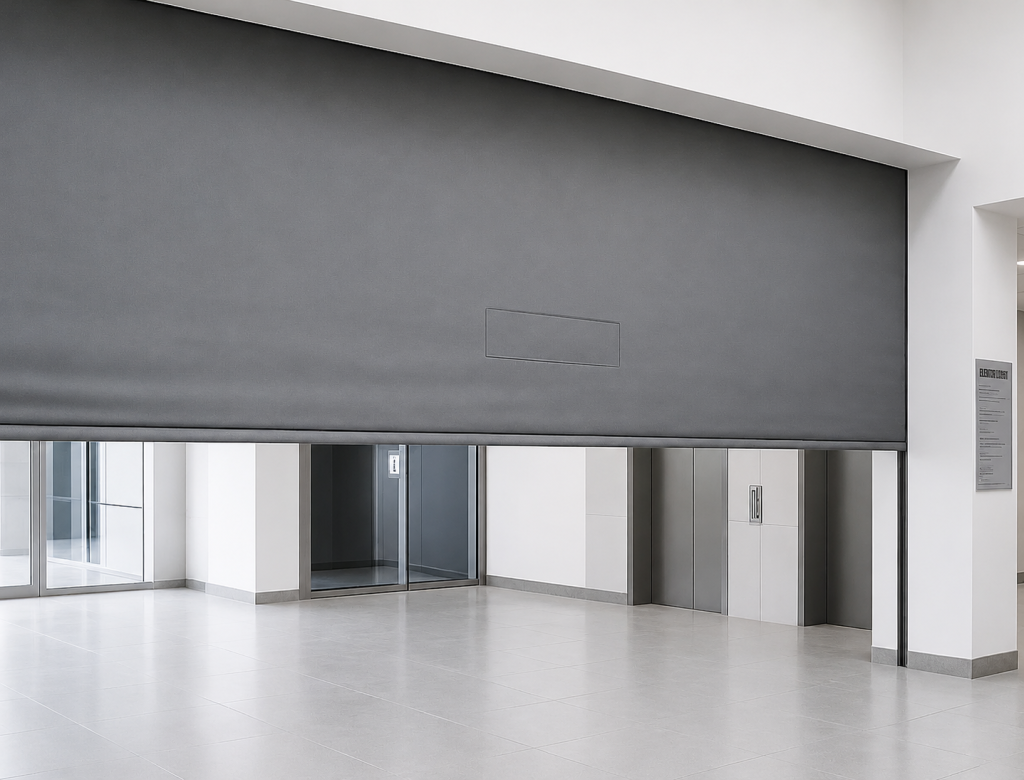
Passive fire protection is central to the fire strategy of any building and carries significant legal weight, with duties reinforced by the Building Safety Act and the Regulatory Reform (Fire Safety) Order. Products should be tested and third-party certified, and installed by competent people, so that the protection performs as intended and can be shown to be compliant. We provide fire stopping, fire doors, fire and smoke control and fire curtains and barriers, installed to the relevant standards and properly documented.

Ready to Protect Your Facility?

Get in touch with our team of fire suppression experts to discuss your requirements and receive a tailored solution.

Frequently Asked Questions

Fire protection built into a building’s structure that contains fire and smoke and protects escape routes without needing to be triggered, unlike active systems.

Active systems, such as alarms and sprinklers, detect and fight fire. Passive measures contain it by keeping the building divided into fire-resisting compartments.

Fire stopping, fire doors, fire-rated walls and floors, fire and smoke dampers, fire curtains and barriers, and related measures.

It holds a fire in the area where it starts, slowing the spread of fire and smoke and giving people time to escape and the fire service time to respond.

Passive fire protection is governed by legislation including the Building Safety Act and the Regulatory Reform (Fire Safety) Order, supported by product testing and certification.