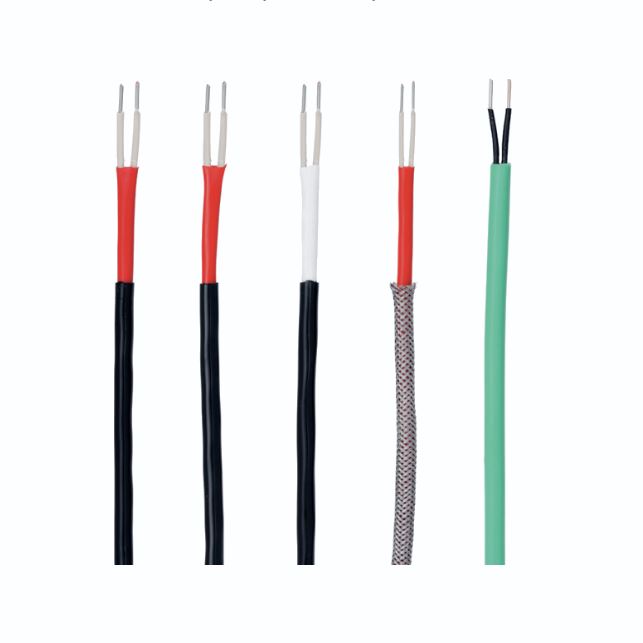
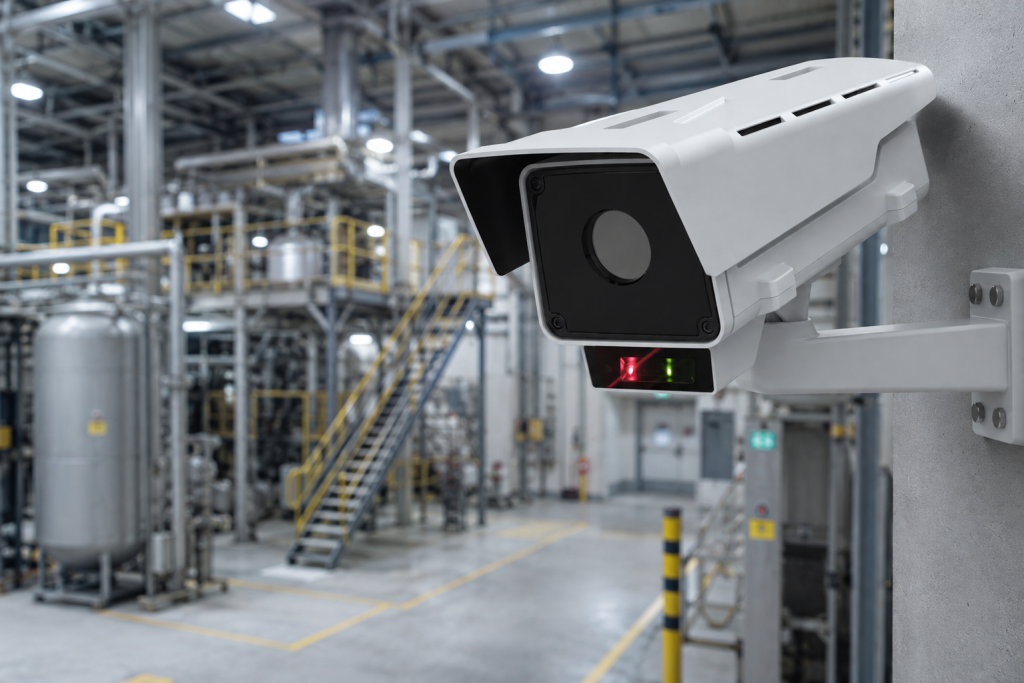
Linear heat detection senses heat continuously along the entire length of a cable, rather than at fixed points, so it can detect a fire anywhere along its run. This makes it ideal for long, awkward or harsh environments where point detectors are impractical, such as tunnels, cable trays and conveyors. The cable is rugged and needs little maintenance, and it will pinpoint or signal heat wherever it occurs. MEP designs, supplies and installs linear heat detection systems across the UK.
A linear heat detection cable runs through or along the risk being protected. In a digital cable, conductors are held apart by heat-sensitive insulation that gives way at a set temperature, completing a circuit and raising the alarm at the point of heating. Other types measure temperature continuously along the cable and can report exactly where heat is rising and by how much. Because detection happens all along the cable, a fire is picked up wherever it starts, even in places a point detector could never reach.
Linear heat detection suits dirty, dusty, wet or otherwise harsh environments and long linear risks: road and rail tunnels, cable tunnels and trays, conveyor belts, escalators, car parks, warehouse racking and industrial process plant. The cable copes with conditions that would quickly foul or damage conventional detectors. We assess the risk and environment, select the appropriate cable type and temperature rating, and route it to cover the hazard, integrating it with the alarm and any control functions required.
Get in touch with our team of fire suppression experts to discuss your requirements and receive a tailored solution.
A detection cable that senses heat along its whole length, so it can detect a fire anywhere along its run rather than only at fixed points.
In harsh or linear environments such as tunnels, cable trays, conveyors, escalators, car parks and warehouse racking.
A type in which conductors are separated by heat-sensitive insulation that breaks down at a set temperature, completing a circuit and raising the alarm.
It copes with dirty, dusty or wet conditions that would foul normal detectors, and it protects long runs that point detectors could not practically cover.
Some types can report the exact location and temperature along the cable, while simpler digital cables signal that heat has occurred along the run.
Some other offerings by MEP that you might be interested in.