Products

Probe Detection System

Probe detection provides targeted fire detection inside specific enclosed spaces and equipment, using a detection probe placed exactly where a fire is most likely to start. Rather than monitoring a whole room, it watches a particular risk at close quarters, such as the inside of an electrical cabinet, a duct or a piece of machinery, giving early warning right at the source. This focused approach is ideal where a general room detector would be too slow or too far away. MEP designs, supplies and installs probe detection solutions across the UK.

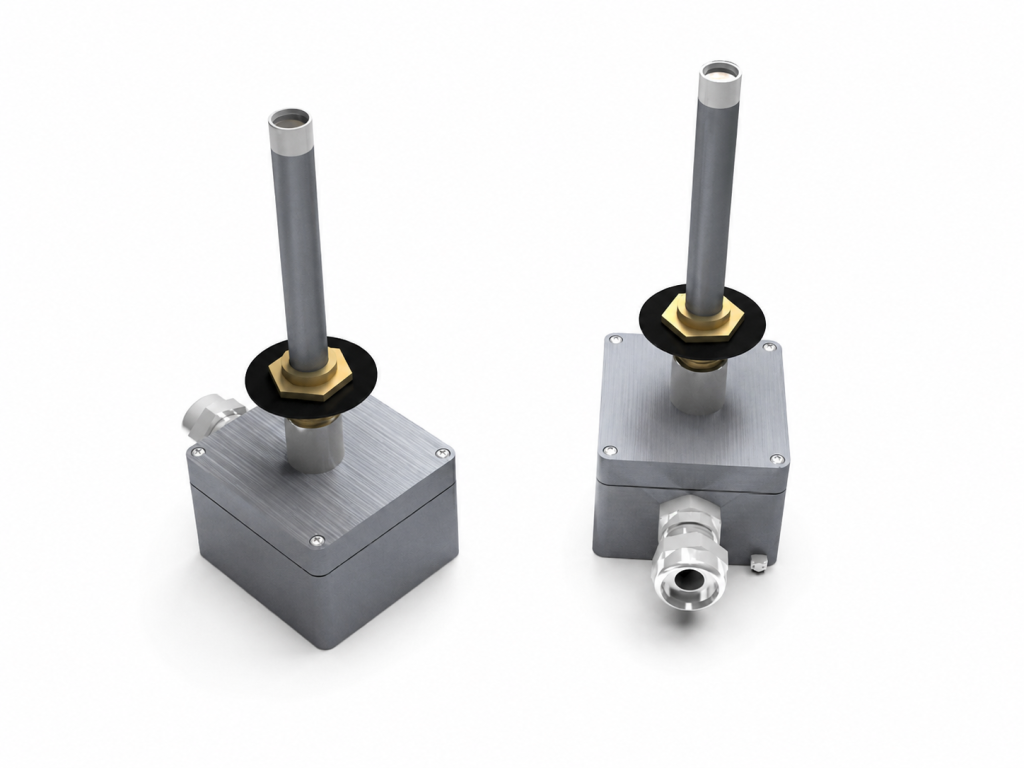
How probe detection works

A detection probe is positioned within the enclosure or duct being protected, where it senses smoke or heat locally as soon as a fire begins. In ductwork, a sampling probe draws a portion of the passing air to a detector so smoke carried in the airstream is picked up quickly. By detecting at the source rather than waiting for smoke or heat to spread into the wider space, probe detection gives faster warning for the specific risk and can be linked directly to alarms, shut-downs or suppression.

Where probe detection is used

Probe detection suits enclosed and localised risks: electrical and control cabinets, ductwork and ventilation systems, machinery and specific items of plant. It is often used alongside cabinet or in-enclosure suppression, so that detecting a fire early also triggers a targeted response before it spreads. We assess the equipment and the risk, select and position the probe for reliable detection at the source, and integrate it with the wider fire alarm system or a dedicated suppression system as required.

Ready to Protect Your Facility?

Get in touch with our team of fire suppression experts to discuss your requirements and receive a tailored solution.

Frequently Asked Questions

A form of fire detection that uses a probe placed inside an enclosure or duct to detect smoke or heat locally, right at the source of a potential fire.

Inside electrical and control cabinets, ductwork and ventilation systems, and specific machinery or plant.

It draws a portion of the air passing through the duct to a detector, so smoke carried in the airstream is detected quickly.

Because it watches the specific risk at close range, it gives faster warning than a general detector that must wait for smoke or heat to spread.

Yes. Probe detection is often combined with cabinet or in-enclosure suppression so early detection triggers a targeted response.

Related Products

Some other offerings by MEP that you might be interested in.