Products

Detection Tube Fire Suppression

Detection tube systems are a simple, self-contained way to protect small enclosed risks automatically, with no electrical detection or control panel required. A flexible polymer tube, pressurised with extinguishing agent, is routed through the space being protected, such as inside an electrical cabinet or a machine. When a fire develops, the heat bursts the tube at the hottest point and releases the agent exactly where it is needed. MEP designs, supplies and installs detection tube systems across the UK.

How detection tube systems work

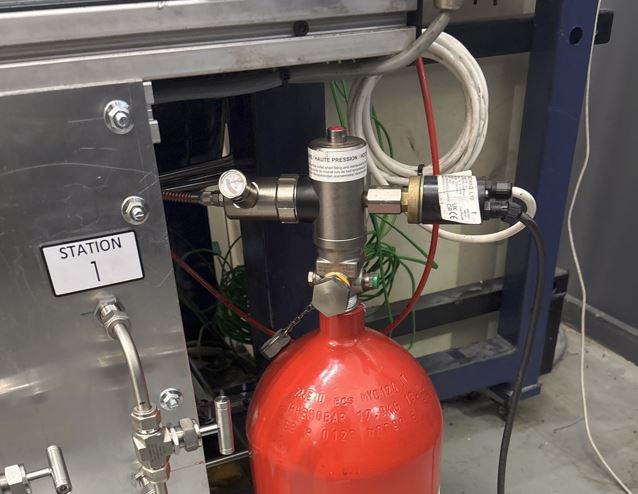
The detection tube acts as both the sensor and, in the simplest systems, the delivery route for the agent. In a direct system the tube itself bursts and discharges the agent straight onto the fire. In an indirect system the drop in pressure when the tube bursts triggers a valve that releases agent from a separate cylinder through dedicated nozzles. Either way the response is automatic and targeted, and because it is entirely pneumatic it works even where there is no power.

Where detection tube is used

Detection tube is ideal for compact, enclosed hazards: electrical cabinets and switchgear, CNC and other machinery, fume cupboards, vehicles and small plant. It is low-cost, low-maintenance and reliable, and it protects the specific risk rather than a whole room. The systems can use a range of agents to suit the hazard, including clean agents and CO2. We assess the enclosure, select the right agent and configuration, and route the tube so it covers the areas most likely to ignite.

Ready to Protect Your Facility?

Get in touch with our team of fire suppression experts to discuss your requirements and receive a tailored solution.

Frequently Asked Questions

A self-contained suppression system that uses a pressurised polymer tube to both detect a fire, by bursting in the heat, and release extinguishing agent onto it.

No. It is entirely pneumatic, so it works without power or an electrical detection panel, which makes it ideal for standalone enclosures.

In a direct system the tube bursts and delivers the agent itself. In an indirect system the pressure drop triggers release from a separate cylinder through nozzles.

Small enclosed risks such as electrical cabinets, switchgear, machinery, fume cupboards and vehicles, where targeted, automatic protection is needed.

A range of agents can be used to suit the hazard, including clean agents and CO2. We select the most appropriate one for the specific risk.

Related Products

Some other offerings by MEP that you might be interested in.